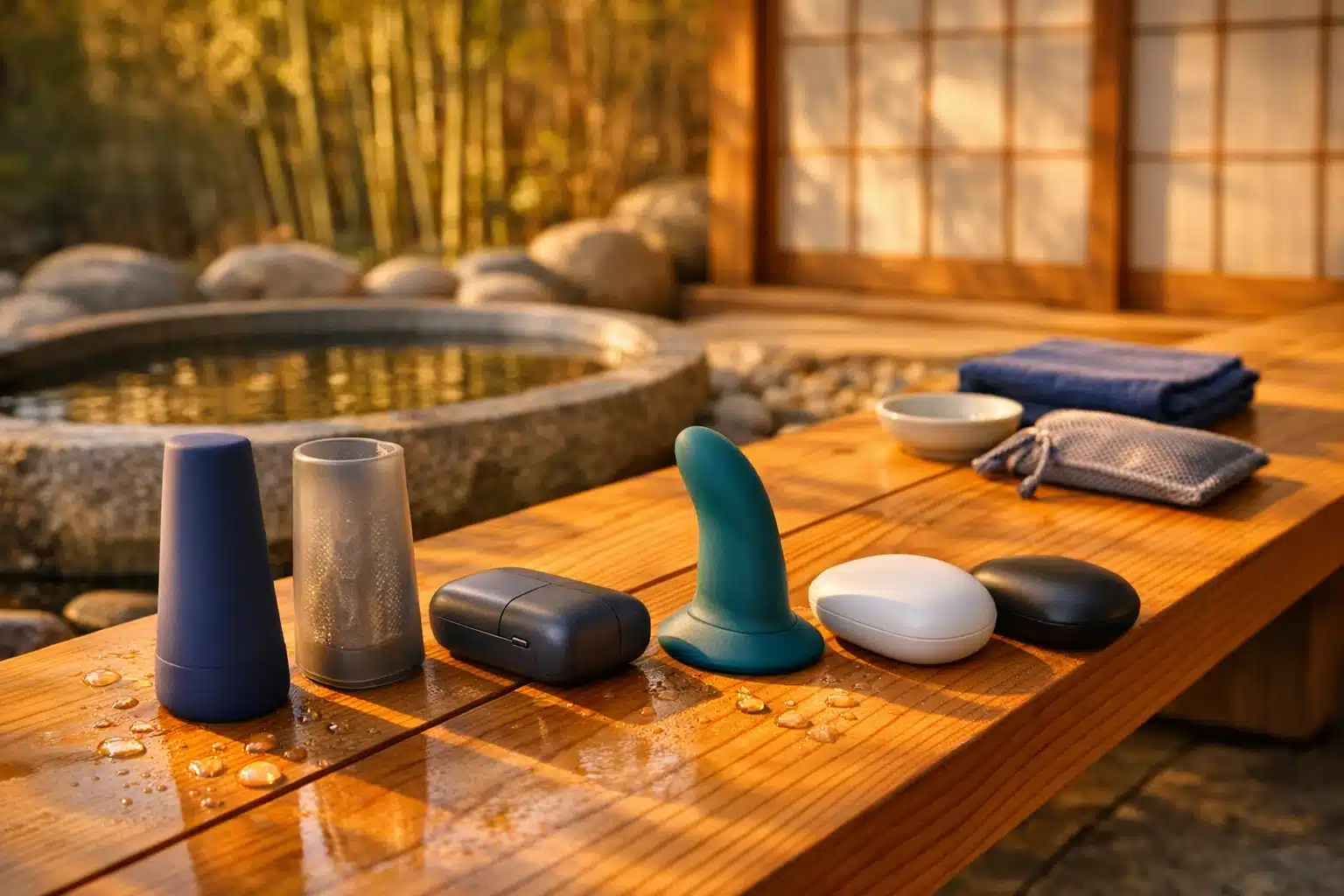
 Artificially generated image
 Top 10 Male Intimate Devices Compared: Features, Comfort, and Value
The market for male intimate devices has moved far beyond novelty, blending wellness design, quieter motors, and app-based controls into products that are easier to use and easier to maintain. That progress creates a new problem: shelves are crowded with devices that look impressive online yet differ sharply in comfort, cleaning, and real-world usefulness. A meaningful comparison has to look past flashy labels and focus on fit, materials, discretion, and lasting value. This guide does that step by step.
Outline:
– How the comparison works and which buying criteria matter most
– A practical look at ten common device categories and their strengths
– Which smart features improve use, and which ones mainly add cost
– Why comfort, materials, and hygiene matter more than marketing
– How to choose the right option for your budget, privacy needs, and experience level
How to Compare Male Intimate Devices: The Framework Behind a Smarter Choice
A useful device comparison starts with a simple truth: there is no universal winner because anatomy, sensitivity, privacy needs, and budget vary widely. What feels ideal to one person may feel too intense, too narrow, too noisy, or too complicated to another. That is why a good guide should compare categories and features instead of pretending one model solves everything. In this article, the most important criteria are comfort, material quality, ease of cleaning, noise, power delivery, smart functions, and long-term value.
Comfort comes first because even the most advanced device loses its appeal if the shape is awkward or the texture feels artificial. For external devices, internal diameter, sleeve softness, and entry design matter more than packaging claims. For prostate-focused devices, body-safe material, ergonomic angle, and a secure safety base are essential. Comfort also includes usability: a device that is easy to grip, simple to open, and quick to wash often becomes a better purchase than one packed with modes but frustrating to maintain.
Material quality is the next filter. Body-safe silicone and ABS plastic are commonly preferred because they are durable and easier to sanitize than highly porous blends. Softer elastomer materials can feel pleasant, but they usually need more careful cleaning and may wear out faster. Battery life matters too, especially with motorized products. Many rechargeable devices typically run for around 60 to 180 minutes per charge, though actual performance depends on motor strength, heating functions, and wireless features.
Noise and discretion matter more than many first-time buyers expect. A strong motor is not automatically a loud one, yet quieter engineering often appears in mid-range and premium devices. Smart features should also be judged realistically. App control, custom patterns, travel lock, USB-C charging, and waterproofing can make daily ownership better. By contrast, gimmicky lighting or a long list of nearly identical vibration patterns may add little practical value.
A balanced comparison usually asks five core questions:
– Is it comfortable for the intended use and body type?
– Is the material easy to clean and likely to last?
– Do the controls, charging method, and noise level fit real life?
– Are the smart features genuinely useful or mostly decorative?
– Does the price make sense over months or years of ownership?
Seen through that lens, the best device is not the one with the biggest promise. It is the one that fits your routine, feels safe to use, and still seems worthwhile after the novelty has faded.
Top 10 Male Intimate Devices Compared by Type, Purpose, and Typical Value
When people search for the “top 10” male intimate devices, they are often comparing very different products under one label. A manual sleeve and an app-connected automatic device can both belong in the same conversation, yet they serve different priorities. One may excel in affordability and simplicity, while the other focuses on customization, power, and smart control. Comparing them by type creates a clearer picture than forcing them into a single ranking.
Here is a practical comparison of ten common categories:
– Manual basic sleeves: Often the most affordable entry point, usually in the lower price range. They are simple, quiet, and beginner-friendly, but they depend heavily on sleeve texture and fit.
– Textured premium sleeves: A step up in material quality and internal design. Better comfort and realism than budget options, though lifespan varies by material.
– Open-ended sleeves: Good for users who want easier cleanup and more size flexibility. They sacrifice some suction but gain convenience.
– Closed-end canister strokers: Usually stronger in pressure and immersion. They can feel more enveloping, though cleaning may take longer.
– Vibrating sleeves: Add motorized sensation without full automation. Best for users who want extra stimulation without a large device.
– Suction-based motorized devices: Often more advanced, with pressure or pulsation effects. Comfort depends greatly on fit and seal quality.
– Automatic or thrusting devices: Built for hands-free or semi-hands-free use. They offer novelty and power, but cost, size, and noise can rise quickly.
– Prostate massagers: Designed for internal wellness use and require more attention to shape, material, and safety features. They are less universal but can be highly effective for the right user.
– Wearable rings or compact partner-friendly devices: More focused on shared use, simplicity, and portability than deep customization.
– Premium smart devices with app control: The most feature-rich category, often offering pattern control, remote access, and sometimes heating or adaptive settings. They can be impressive, but value depends on whether the user will actually use those tools.
In pure value terms, beginners often do best with a well-made manual or lightly powered device in the entry-to-mid range. These products usually provide the clearest lesson in fit, texture, and maintenance without a steep financial jump. Tech-forward users may prefer smart devices, but they should be honest about their habits. If a person rarely uses apps for other wellness tools, a premium connected device may end up feeling like a gadget first and a useful product second.
The middle of the market is often the most balanced. That is where buyers can find better materials, quieter motors, and easier cleaning without paying a heavy premium for branding or feature overload. Premium devices make sense when discretion, refined construction, or remote customization are priorities. Budget models make sense when a buyer wants to experiment carefully before committing to a more specialized design.
The real takeaway is simple: the “best” category depends on whether you value ease, intensity, silence, portability, or digital control. Once that priority is clear, the shortlist becomes much easier to navigate.
Smart Features Compared: Which Ones Improve the Experience and Which Ones Mostly Add Cost
Smart features are the flashiest part of the current market, and they are often the reason two devices with similar shapes can have very different prices. Some of these features are genuinely useful. Others are nice on paper but less meaningful in day-to-day use. The trick is to separate functions that solve a real problem from those that merely decorate a product page.
App control is one of the most discussed features, and its value depends on the user. For some people, precise control over intensity, saved patterns, or remote operation is a major advantage. It can reduce awkward button pressing, make sessions more customizable, and allow more discreet setup. For others, it adds one more thing to pair, charge, update, and troubleshoot. A good app-connected device should reconnect quickly, work reliably at short wireless range, and offer simple manual controls in case the phone is unavailable.
Several smart features tend to deliver real everyday value:
– Custom pattern memory, which lets users save preferred settings instead of cycling through dozens of modes each time
– USB-C charging, now a practical standard because it reduces cable clutter and usually feels more convenient than proprietary connectors
– Travel lock, which prevents accidental activation in storage or luggage
– Waterproof construction, especially full waterproof ratings rather than basic splash resistance
– Battery indicators, which are small but very useful for avoiding mid-session surprises
Other features deserve a closer look before paying extra. Heating elements can improve comfort for some users, but they also increase warm-up time and battery drain. Touch sensors and adaptive pressure systems sound advanced, yet their benefits vary widely depending on the design. Extremely large mode libraries are another common marketing tactic. In practice, many users settle into a small number of preferred settings and rarely explore the full menu.
Noise is another hidden “smart” category because engineering matters more than advertising language. Devices in the quieter range often use better motor isolation and more stable housing construction. Many portable models land somewhere around ordinary room-noise levels, but perceived loudness changes sharply depending on surface vibration and hollow casing. A heavier, better-built device can sometimes sound softer than a lighter one with similar power simply because it rattles less.
Privacy should also be part of the smart-feature conversation. If a device uses an app, buyers should look for basic signs of responsible design: clear permissions, optional account creation where possible, and straightforward update policies. Not every user will care equally about this, but it is worth remembering that convenience and data habits now overlap in many consumer products. The smartest feature is not always the most futuristic one. Often, it is the function that makes the device simpler, quieter, safer, and easier to use consistently.
Comfort, Materials, Hygiene, and Durability: The Details That Shape Long-Term Satisfaction
If smart features are what attract attention, comfort and hygiene are what decide whether a device stays in regular use. This is where many buyers learn that a lower price can sometimes become more expensive over time. A product that is difficult to clean, attracts lint, holds odor, or loses shape quickly may look affordable at checkout but deliver poor value after a few months.
Material choice matters immediately. Body-safe silicone is widely appreciated because it is nonporous, smooth, and relatively easy to sanitize. ABS plastic is also common in housings because it is sturdy, lightweight, and compatible with modern waterproof designs. Softer elastomer-style sleeves can feel comfortable, but they often require more careful drying and storage. If a product is described vaguely or avoids clear material disclosure, that is usually a warning sign rather than a minor oversight.
Fit is just as important as material. Too much tightness can feel uncomfortable, while an overly loose design may reduce control and make a motorized device feel less effective. Entry shape, interior texture, and sleeve length all influence the experience. Open-ended designs are often more forgiving for different body types and generally easier to rinse. Closed systems may create stronger pressure effects, but they demand better maintenance. For internal-use devices such as prostate massagers, proper shape and a secure flared base are not optional extras; they are core safety features.
A practical hygiene checklist can save a buyer from regret:
– Prefer clearly labeled body-safe materials
– Check whether the device is fully waterproof, not merely splash-resistant
– Confirm how easily the sleeve or insert can be removed for cleaning
– Start with a compatible water-based lubricant unless the manufacturer clearly recommends otherwise
– Dry the device thoroughly before storage
– Replace products that develop tears, peeling, or persistent odor
Durability is also tied to storage and everyday handling. A device that comes with a case or protective pouch often lasts longer because it stays cleaner and avoids dust buildup. Rechargeable products benefit from better charging seals and ports, especially if they are frequently washed. Warranty length can be a useful quality clue. While a long warranty does not guarantee perfection, it often signals that the manufacturer expects the product to survive normal use.
There is also a comfort dimension that has nothing to do with texture or shape: emotional ease. Some devices feel unintimidating, compact, and quick to put away. Others feel like equipment. Neither is automatically better, but self-conscious buyers often enjoy their purchase more when it fits naturally into their space and routine. In intimate wellness, subtle details often decide the final verdict.
Best Choices by Budget, Lifestyle, and Experience Level: A Practical Conclusion for Buyers
For most readers, the right choice is not hidden in a dramatic ranking. It is usually found at the point where comfort, price, and realistic use meet. If you are buying your first male intimate device, the smartest move is usually a well-reviewed manual sleeve or a simple powered model with easy cleaning and clear material labeling. These options let you learn what textures, fit, and stimulation styles you actually enjoy without paying a premium for features you may never touch.
Buyers who value discretion above all else should look for compact shapes, low-noise operation, waterproof construction, and straightforward storage. Quiet engineering matters more than dramatic power claims when privacy is part of the equation. If you share living space, the difference between “strong” and “loud” becomes very real very quickly. A slightly more expensive device that is easier to charge, easier to clean, and less noisy can offer far better value than a cheaper one that feels like a compromise every time it comes out of the drawer.
For tech-focused users, app-connected products can be worthwhile, but only when the smart layer genuinely improves control or convenience. The best premium devices earn their price through refined construction, reliable connectivity, durable materials, and thoughtful extras such as memory settings or travel lock. If the appeal is mostly a long list of modes and flashy presentation, the extra cost may be hard to justify. Technology should support comfort, not distract from it.
A practical shortlist by buyer type looks like this:
– Beginners: manual or lightly powered sleeves with simple cleaning
– Value shoppers: mid-range devices with better materials rather than the absolute cheapest option
– Privacy-focused users: compact, quiet, waterproof models
– Experimenters: open-ended or modular designs that reveal fit preferences quickly
– Internal-wellness users: body-safe prostate devices with proper ergonomic design and safety base
– Tech enthusiasts: app-controlled devices with dependable software and clear privacy settings
The larger lesson is refreshingly ordinary: buy for your habits, not for the product page fantasy. A device you can maintain easily, store discreetly, and use comfortably will almost always outperform a more expensive one that feels inconvenient. For readers interested in intimate wellness, smart features, and honest value, the most satisfying purchase is usually the one that respects both curiosity and practicality. Start with your priorities, compare categories rather than marketing slogans, and let comfort be the final judge.