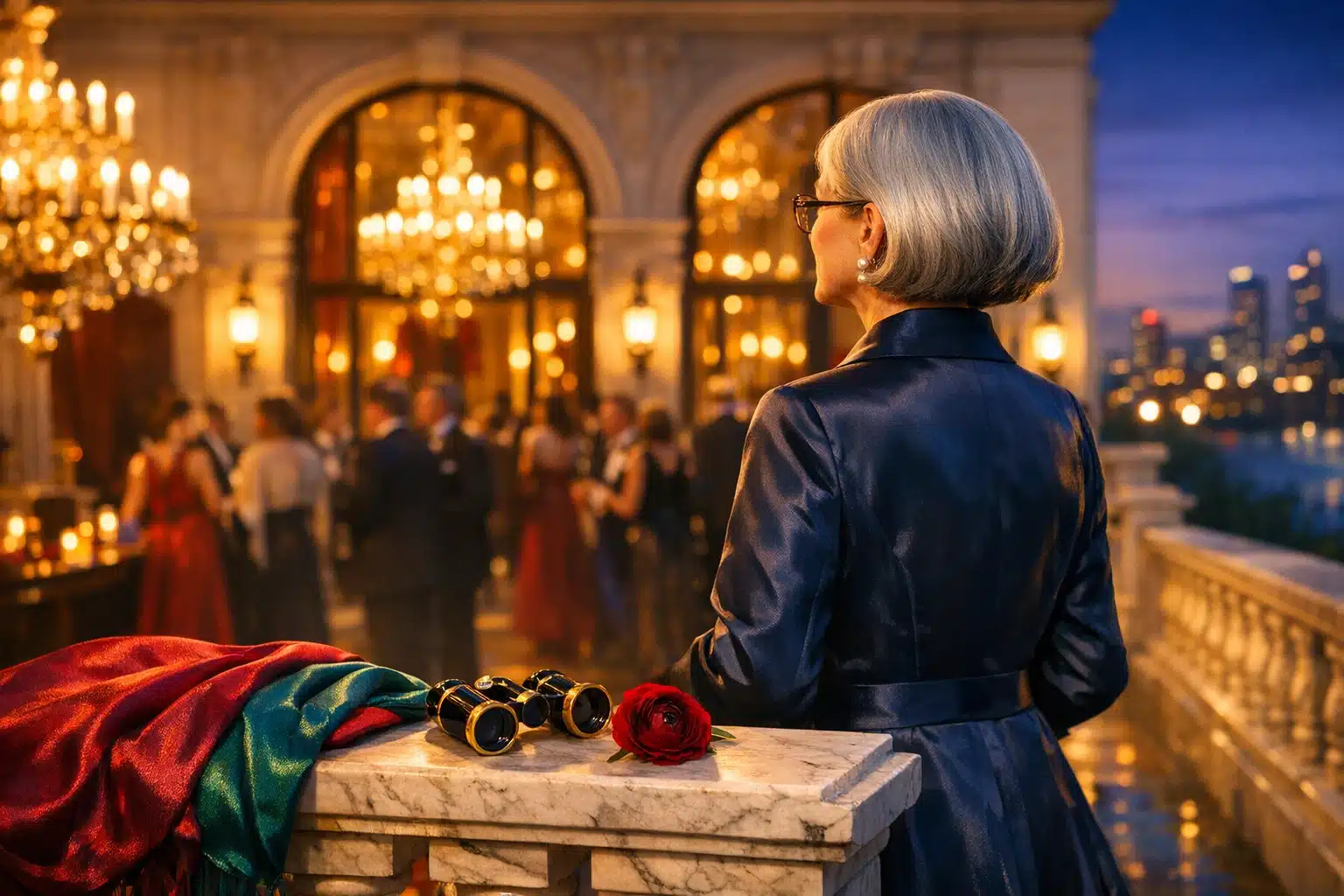
 Artificially generated image
 The Essential Guide to Elegant Hairstyles and Age-Friendly Beauty Tips for Senior Women
Style does not fade with birthdays; it simply becomes more selective, more personal, and often more refined. For many senior women, beauty decisions shift away from fast trends and toward hairstyles, colors, and routines that feel comfortable, polished, and easy to maintain. This article examines practical options that respect changing hair texture and skin needs while still looking current. If you want elegance without fuss, the sections ahead offer thoughtful ideas worth exploring.
Outline: This guide begins with how hair and beauty needs change over time, then moves into timeless hairstyle options, age-friendly makeup and skincare, the role of color and accessories, and finally a realistic routine that supports confidence every day.
Why Hair and Beauty Needs Change With Age
A graceful beauty routine starts with observation rather than assumption. Hair changes over time, and those changes are not simply cosmetic. Many women notice that strands become finer, drier, or more fragile with age. Dermatologists and stylists often point to a few common reasons: reduced oil production can leave hair less glossy, melanin decreases and creates gray or white strands, and natural shifts in density may make the scalp more visible around the crown or temples. None of this means beauty becomes harder; it means the strategy becomes smarter.
A haircut that once behaved perfectly may begin to resist your usual styling habits. Thick hair can lose its spring, straight hair can turn wiry around the front, and curls may loosen or become unpredictable. Skin changes matter too, because hairstyle and makeup work together. Softer skin texture, new lines around the eyes, or a changed jawline can influence whether a sharp cut feels severe or elegant. A style that looked bold at fifty may feel too heavy at seventy, while something lighter and more sculpted can suddenly look just right.
There are also practical issues that deserve attention, especially for senior women who want both comfort and polish. Hair length can affect how easily you wear reading glasses, hearing aids, hats, or scarves. Neck sensitivity may make very heavy hair less appealing. If styling with a blow dryer becomes tiring, a cut that air-dries well becomes a real advantage rather than a luxury. Beauty in later life often rewards efficiency.
When thinking through a fresh look, it helps to consider a few basics:
• current hair density
• natural texture and wave pattern
• daily styling time
• comfort around the face and neck
• how often you are willing to schedule trims
A good stylist will assess these details before recommending a shape. If you are dealing with sudden thinning, patchy shedding, or a quick change in scalp condition, a medical check can also be worthwhile, because sometimes hair changes reflect nutrition, medication, hormones, or stress. Elegant style begins with honesty. Once you understand what your hair and skin are doing now, you can choose beauty habits that feel less like a struggle and more like a quiet partnership.
Timeless Hairstyles That Balance Grace, Shape, and Ease
Some hairstyles endure for decades because they solve real problems beautifully. They flatter the face, support natural texture, and remain easy to update without losing their character. For senior women, the most dependable options usually include the classic bob, the soft pixie, the layered crop, and shoulder-length shapes with movement. These are not “safe” choices in a dull sense; they are enduring because they adapt well to different face shapes, hair types, and lifestyles.
The bob is a standout for a reason. A chin-length or slightly longer bob can frame the face cleanly, create the illusion of fullness, and pair well with both casual clothes and formalwear. Think of it as the beauty equivalent of a tailored jacket: simple, structured, and quietly powerful. A bob can be sleek, softly curved under the chin, or lightly textured for a more relaxed look. Women with finer hair often appreciate that a bob can make ends appear thicker, while women with wavy hair may enjoy how it encourages natural body.
The pixie works differently. It brings attention upward, highlights the eyes and cheekbones, and can dramatically reduce styling time. A severe pixie can feel stark on some faces, which is why many stylists soften it with side-swept fringe, feathered layers, or extra length around the crown. Face-flattering layers help enhance your features while adding softness and movement to your hairstyle. That single adjustment can turn a practical cut into one that feels elegant and distinctly personal.
Shoulder-length styles offer another kind of balance. They allow for ponytails or soft clips, but still feel polished when worn down. This length can be especially useful for women who enjoy variety. It can be blown smooth, waved lightly, or tucked behind the ears for a refined, understated effect. The key is avoiding too much bulk at the ends, which can drag the face downward. Light layering usually keeps the shape airy and modern.
When choosing among these styles, compare them based on your routine:
• pixies often need more frequent trims but less daily styling
• bobs offer structure and fullness with moderate upkeep
• shoulder-length cuts provide flexibility but may need more drying time
• layered crops can soften strong features and add lift at the crown
Most importantly, a timeless hairstyle should feel natural when you move through an ordinary day. If it looks lovely only under salon lights, it is not the right cut yet. The best style is the one that still feels like you when the wind lifts it, when your glasses go on, and when you catch your reflection in a store window and smile without thinking.
Senior Beauty Tips That Work With Mature Skin, Not Against It
Elegant beauty for mature skin is less about covering and more about refining. Skin often becomes drier with age, and that shift changes how makeup sits on the surface. Foundations that once looked smooth can settle into lines, powders can emphasize texture, and strong matte finishes may appear flat or heavy. A flattering routine usually begins before makeup even starts, with skincare that supports comfort and hydration.
A gentle cleanser, a moisturizer with ingredients such as glycerin, hyaluronic acid, or ceramides, and a broad-spectrum sunscreen form a solid foundation for most people. These are not trend-driven steps; they are practical ones. Well-prepped skin tends to hold makeup more evenly and look brighter with less product. If you wear foundation, lighter formulas often outperform full-coverage masks on mature skin. Tinted moisturizers, serum foundations, or strategically placed concealer can create a fresher finish while still evening tone.
Blush deserves special attention because it can restore life to the face very quickly. Cream blushes often blend more naturally than dry powders, especially on skin that no longer produces much oil. A soft rose, peach, or berry tone applied high on the cheeks can lift the face visually. The same principle applies to highlighter, though restraint matters. A hint of luminosity looks healthy; large patches of shimmer can magnify texture around the eyes and cheeks.
Eye makeup benefits from a lighter hand as well. Heavy liner can shrink the appearance of the eyes, while a smudged pencil or softly defined shadow often creates a more open effect. Brows are equally important. As brows thin, gentle filling with a pencil or powder can restore structure to the face. Even a modest brow adjustment can make the whole look feel intentional.
A simple, reliable routine might include:
• hydrating skincare before makeup
• lightweight base only where needed
• cream blush for warmth
• soft brow definition
• mascara focused at the roots
• a lipstick or tinted balm that brightens the complexion
Lip color can be especially transformative. A muted pink, warm rose, or soft brick often adds energy without overpowering the face. Lip liner can prevent feathering and help shape the mouth in a subtle way. The goal is not to chase youth but to support clarity, balance, and vitality. Mature beauty has its own language. It speaks softly, but it carries well.
Color, Texture, and Accessories That Complete an Elegant Look
A well-chosen haircut does much of the work, but color, texture, and accessories often determine whether the final impression feels unfinished or polished. Hair color for senior women is no longer a simple decision between “cover the gray” and “go natural.” Today, there is more room for nuance. Some women prefer a luminous silver, others choose soft blending with highlights, and many opt for low-maintenance tones that reduce visible regrowth. The smartest choice usually depends on contrast, upkeep, and how the color interacts with skin tone.
Gray and white hair can be strikingly beautiful, especially when the cut is clean and the condition is good. Silver tones often look sophisticated with jewel colors, navy, charcoal, and crisp neutrals in clothing. If hair begins to yellow from product buildup, minerals, or environmental exposure, a toning shampoo used occasionally may help maintain brightness. For women who still enjoy color, subtle highlights around the face can prevent a flat effect and add dimension without creating a harsh grow-out line. Soft ash blondes, mushroom browns, warm taupes, and delicate caramel ribbons are often easier to maintain than dense, solid color.
Texture is the next layer of refinement. Stiff, over-sprayed hair can age a look faster than gray ever will. Movement tends to look fresher. A round brush, a touch of mousse, or a light styling cream can create body without hardness. Gentle bends through the mid-lengths, soft side parts, and lifted roots at the crown often flatter mature features because they add energy to the silhouette. The goal is not volume for its own sake; it is shape with life in it.
Accessories can quietly elevate everything. The right pair of earrings may echo the line of a haircut. Glasses can become part of the style story instead of a separate detail. Scarves, headbands, and decorative clips are especially useful for in-between wash days or when you want variety without a full restyle.
Small additions often make a big difference:
• pearl or metal studs for classic polish
• tortoiseshell frames for warmth
• silk scarves to add color near the face
• simple barrettes for structure and ease
There is a lovely kind of magic in these finishing touches. A silver bob with elegant frames can look architectural and modern. A softly waved shoulder-length cut with a printed scarf can feel artistic and warm. When color, texture, and accessories work together, style stops looking assembled and starts looking lived in, which is often the most timeless effect of all.
Conclusion: Building a Timeless Routine With Confidence
The most successful beauty routine is not the most expensive, the most complicated, or the most fashionable. It is the one you can live with happily. For senior women, timeless style often comes from editing rather than adding. A flattering cut, a manageable color plan, a few dependable makeup products, and thoughtful accessories can do far more than a crowded shelf full of quick fixes. Consistency creates elegance.
One helpful approach is to build a routine around your actual week instead of an imaginary version of yourself. If you prefer wash-and-go mornings, choose a shape that falls into place with minimal effort. If salon visits feel enjoyable, a more tailored cut may be worth the upkeep. If your hands tire easily, simplify the steps between shower and mirror. Beauty should support your life, not compete with it.
It also helps to schedule maintenance in a realistic way. Short styles may need trims every four to six weeks to keep their shape. Bobs and medium cuts can often go a little longer, depending on texture. Color appointments, brow shaping, and product updates are easier to manage when you think of them seasonally rather than impulsively. A small calendar note can preserve a polished appearance better than a dramatic last-minute change.
A lasting routine often includes:
• one haircut you trust
• one or two styling products that genuinely help
• makeup shades that brighten your face in natural light
• accessories that add interest without fuss
• regular check-ins to adjust as hair and skin continue to change
Most of all, remember that elegance is not about appearing younger than you are. It is about looking coherent, comfortable, and fully present in your own features. Timeless style honors experience rather than hiding it. The right hairstyle can bring light to the eyes, the right lipstick can wake up the complexion, and the right routine can make daily grooming feel calming instead of demanding. If you are choosing your next cut or refreshing your beauty habits, trust the version of style that feels clear, practical, and quietly expressive. That is often where true sophistication begins, and where it stays.