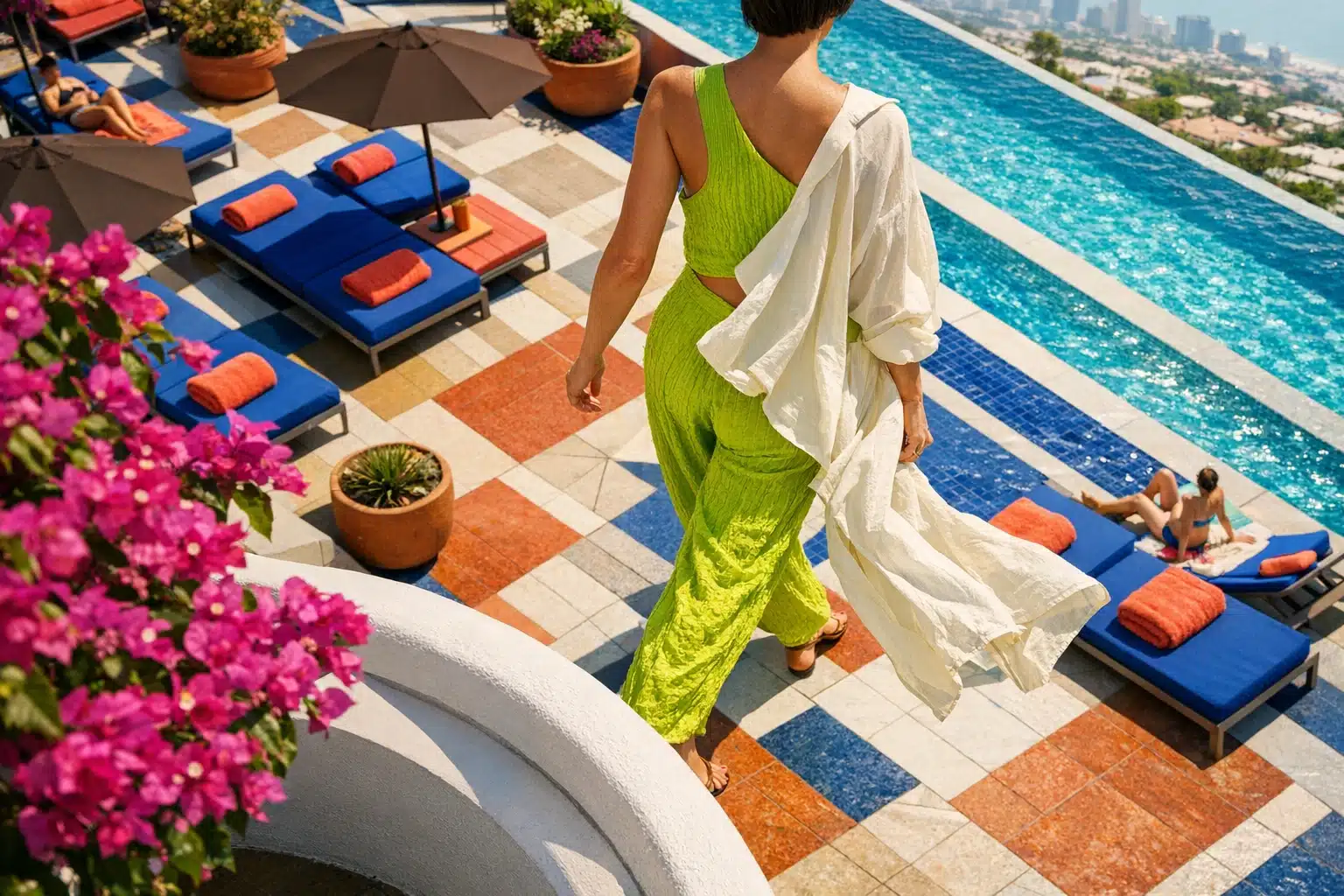
 Artificially generated image
 Naughty Swimwear Trends: Bold Styles Everyone Is Talking About This Season
Swimwear has become a language of personal style, blending comfort, body confidence, and trend awareness in ways that reach far beyond the shoreline. This season’s standout looks balance daring silhouettes with thoughtful construction, giving shoppers more choice in how much skin they show and how supported they feel. From textured fabrics to cheeky cuts, today’s beachwear speaks to fashion, function, and mood all at once.
Outline:
• How bold swimwear moved from niche styling to a mainstream fashion choice.
• Which fabrics, cuts, and design details define modern beachwear.
• How cheeky silhouettes compare with classic bikini and one-piece shapes.
• Practical advice for fit, layering, and styling across different settings.
• A reader-focused conclusion on choosing swimwear that feels expressive and wearable.
The Rise of Bold Swimwear in Modern Beach Fashion
Bold swimwear is no longer limited to fashion editorials or resort campaigns. Over the past several seasons, beachwear has shifted toward stronger visual statements, and that change has come from several places at once. Designers have revisited high-leg cuts from the 1980s and sleek minimalism from the 1990s, while social platforms have made once-niche silhouettes easier to discover, compare, and style. A shopper scrolling through summer collections now sees far more than the standard triangle bikini and plain black one-piece. Cut-outs, asymmetrical straps, bright solids, hardware accents, and sculpted shapes have become common rather than experimental.
This momentum is tied to a broader change in how people approach seasonal dressing. Swimwear used to be treated mainly as a practical purchase made shortly before a vacation. Now it often sits inside a larger warm-weather wardrobe plan that includes cover-ups, linen shirts, sandals, jewelry, and even matching bags. Because of that, buyers increasingly look for suits that photograph well, layer easily, and hold their shape after repeated wear. Explore bold swimwear trends featuring cheeky cuts, stylish fabrics, and confidence-boosting designs for your next beach getaway. That sentence captures why the trend has staying power: the appeal is not only visual, but also emotional. People want pieces that feel current without making them feel uncomfortable or overexposed.
There is also a practical side to the rise of bold beachwear. Many newer styles use improved stretch fabrics, soft linings, and better seam placement, which means a daring look does not automatically mean a difficult fit. Retail collections now often include a wider span of sizes, separate top and bottom options, and different rise levels, allowing shoppers to fine-tune coverage. Search behavior across major online stores also suggests steady seasonal interest in terms such as high-leg bikini, textured one-piece, and cheeky bottom, especially from late spring through midsummer. In other words, this is not a passing novelty. It is a fashion category that has grown because it matches how people actually dress, travel, and express themselves near the water. Like sunlight catching a wave at the right angle, bold swimwear has found its moment and made it hard to look away.
Fabrics, Finishes, and Design Details That Define the Look
If silhouette is the headline, fabric is the reason a swimsuit succeeds or disappoints. The strongest beachwear trends this season rely on textiles that do more than stretch. Ribbed knits create subtle structure and can make a simple shape look more refined. Crinkle fabrics bring texture without extra hardware, which helps a suit feel eye-catching while staying lightweight in a beach bag. Matte finishes are also popular because they look elevated in natural light and tend to feel more polished than ultra-shiny surfaces. Meanwhile, smooth compression blends are often chosen for one-pieces and high-waist cuts because they offer a firmer, sculpted feel.
Construction matters just as much as material. A suit that appears daring on a hanger may feel quite secure if it uses double lining, hidden elastic, wider side panels, and carefully placed seams. Premium swimwear frequently blends nylon or recycled polyamide with elastane, and many high-stretch suits sit in a range that helps fabric recover after swimming, rinsing, and sun exposure. That recovery matters because sagging fabric can change both comfort and appearance within a short time. Buyers comparing beachwear styles should pay attention to several details:
• Double-layer fronts can improve support and reduce show-through.
• Adjustable straps help customize lift and shoulder comfort.
• Bonded edges may create a smoother finish under fitted cover-ups.
• Removable cups give flexibility, especially when a suit is worn for lounging one day and swimming the next.
Color and finish are shaping the mood of the season as well. Saturated shades such as tangerine, cobalt, lime, and cherry red create impact with minimal design fuss. Earth-led tones like espresso, sand, olive, and terracotta offer a quieter route into bold styling, especially for readers who like modern fashion but prefer something less loud. Metallic rings, tortoiseshell accents, tie details, and contrast piping add personality without overwhelming the piece. The result is a market full of options that feel intentional rather than random. A well-made swimsuit does not rely on exposure alone to stand out. It uses fabric, finish, and proportion to create presence, much like a great tailored jacket uses line and texture to sharpen an outfit.
Understanding Cheeky Swimwear Looks and How They Compare
Cheeky swimwear has become one of the clearest markers of current beach style, but the term often gets used loosely. In most retail settings, a cheeky bottom offers less coverage than a classic bikini brief while remaining more covered than a thong cut. That middle ground is a major reason for its popularity. It gives a suit a more fashion-forward shape, often lengthens the look of the leg, and can make the overall silhouette feel lighter. The effect changes depending on rise, leg opening, and seam placement. A high-leg cheeky brief can feel retro and energetic, while a low-rise version may look more understated and casual.
Comparing cheeky styles with traditional options is useful because fit preference is rarely about trends alone. A full-coverage bottom may feel better for active swimming, family beach trips, or readers who want more hold through the back. A cheeky cut can be ideal for poolside lounging, resort wear, or anyone who likes a cleaner, less bulky line under a sarong or crochet skirt. One-pieces follow similar logic. A suit with a low back, high-cut leg, or side cut-out can deliver the same visual boldness as a bikini without separating the torso. That makes it appealing to shoppers who want a single-piece shape with a sharper fashion edge.
The smartest way to approach cheeky swimwear is to think in categories rather than assumptions:
• For active days, look for secure waistbands, strong lining, and wider hip placement.
• For sunbathing, lighter construction and minimal seams may feel more comfortable.
• For styling versatility, choose a color that works with shirts, wrap skirts, or shorts you already own.
• For first-time buyers, a medium cheeky cut is often easier to wear than the most extreme option on the rack.
Context matters too. Beach clubs, hotel pools, neighborhood pools, and family resorts can have very different dress norms, so confidence often comes from matching the suit to the setting. The goal is not to follow a formula or chase attention for its own sake. It is to choose a shape that aligns with your comfort level, your destination, and the way you want to move. When that balance is right, a cheeky silhouette feels less like a risk and more like a well-chosen detail.
How to Style Bold Beachwear Without Losing Practicality
A standout swimsuit works best when it feels connected to the rest of your summer wardrobe. That is why styling has become central to beachwear conversations. A bright one-piece can double as a bodysuit under linen trousers after a swim. A cheeky bikini set can look more relaxed and polished when paired with an oversized cotton shirt left open at the front. Even a highly detailed suit with ring hardware or bold color blocking becomes easier to wear when the surrounding pieces stay simple. The modern beach look is less about piling on accessories and more about balancing statement elements with breathable basics.
Cover-ups are especially important because they determine whether a swimsuit feels limited or versatile. Sheer sarongs, crochet skirts, gauzy button-downs, and wide-leg pants each create a different effect. A sarong highlights the suit and keeps the silhouette fluid. A button-down shirt adds structure and makes a bright bikini feel urban enough for a boardwalk lunch. Crochet brings texture and a slightly nostalgic tone that works well with retro high-leg cuts. Wide-leg pants can turn a sleek one-piece into part of a resort outfit that transitions from beach chair to sunset dinner. Useful styling combinations include:
• Ribbed black one-piece with a white linen shirt and flat leather sandals.
• Cherry red cheeky bikini with a neutral sarong and gold-toned earrings.
• Olive asymmetrical suit with loose cream trousers and a woven tote.
• Printed bikini with a matching headscarf for a coordinated, editorial finish.
Practicality still matters, and good styling starts with that reality. If a day includes walking, swimming, and sitting in direct sun, metal hardware can heat up, ties may loosen, and very delicate fabrics can snag against rough pool edges. It helps to pack with intention: one suit for active time in the water, another for lounging or photos, and a cover-up that can handle both. Sunglasses, a secure hat, and sandals with grip do more for comfort than another decorative layer ever will. The most memorable beach style often feels effortless, like sea air lifting a shirt hem as someone walks toward the shore. Yet that ease is usually built on smart choices in fabric, layering, and function.
Choosing the Right Bold Suit for Your Style, Comfort, and Summer Plans
The best bold swimwear choice is not the loudest piece on display or the most talked-about cut online. It is the one that fits your body, your taste, and the way you actually spend time near the water. For some readers, that may be a streamlined one-piece with a high leg and supportive straps. For others, it may be a cheeky bikini bottom paired with a fuller-coverage top for balance. Personal style plays a role, but so do practical questions. Do you swim laps, read under an umbrella, chase children across the sand, or build travel outfits around a resort capsule wardrobe? The answer changes what “right” looks like.
Trying bold beachwear becomes easier when you narrow the decision through a few filters:
• Start with function: active swimming, relaxed sunbathing, or mixed day-to-evening use.
• Decide what feature matters most: support, leg line, texture, color, or adjustability.
• Choose one expressive element instead of several at once if you are testing a new style.
• Check return policies and size charts carefully, because swimwear fit can vary widely between labels.
It is also worth remembering that confidence in swimwear often grows from familiarity rather than instant certainty. Someone who usually wears full coverage may feel more comfortable beginning with a high-cut one-piece before moving to a cheekier bikini shape. A shopper who prefers neutral dressing might enjoy a bold silhouette in espresso or navy before trying neon or a dramatic print. There is no disadvantage in building gradually. In fact, that approach often leads to better purchases, because it keeps the focus on comfort and repeat wear instead of impulse.
For readers looking ahead to holidays, pool weekends, or a simple escape from routine, the current wave of beachwear offers more range than ever. Bold design no longer means sacrificing support, and cheeky styling no longer belongs only to a narrow fashion crowd. Today’s options make room for experimentation, whether you want a little more attitude, a sharper silhouette, or a fresh way to update your summer wardrobe. The most useful takeaway is simple: choose a suit that lets you feel present in the moment, not distracted by the garment itself. When swimwear does that, style becomes less about spectacle and more about ease, intention, and enjoying the season on your own terms.