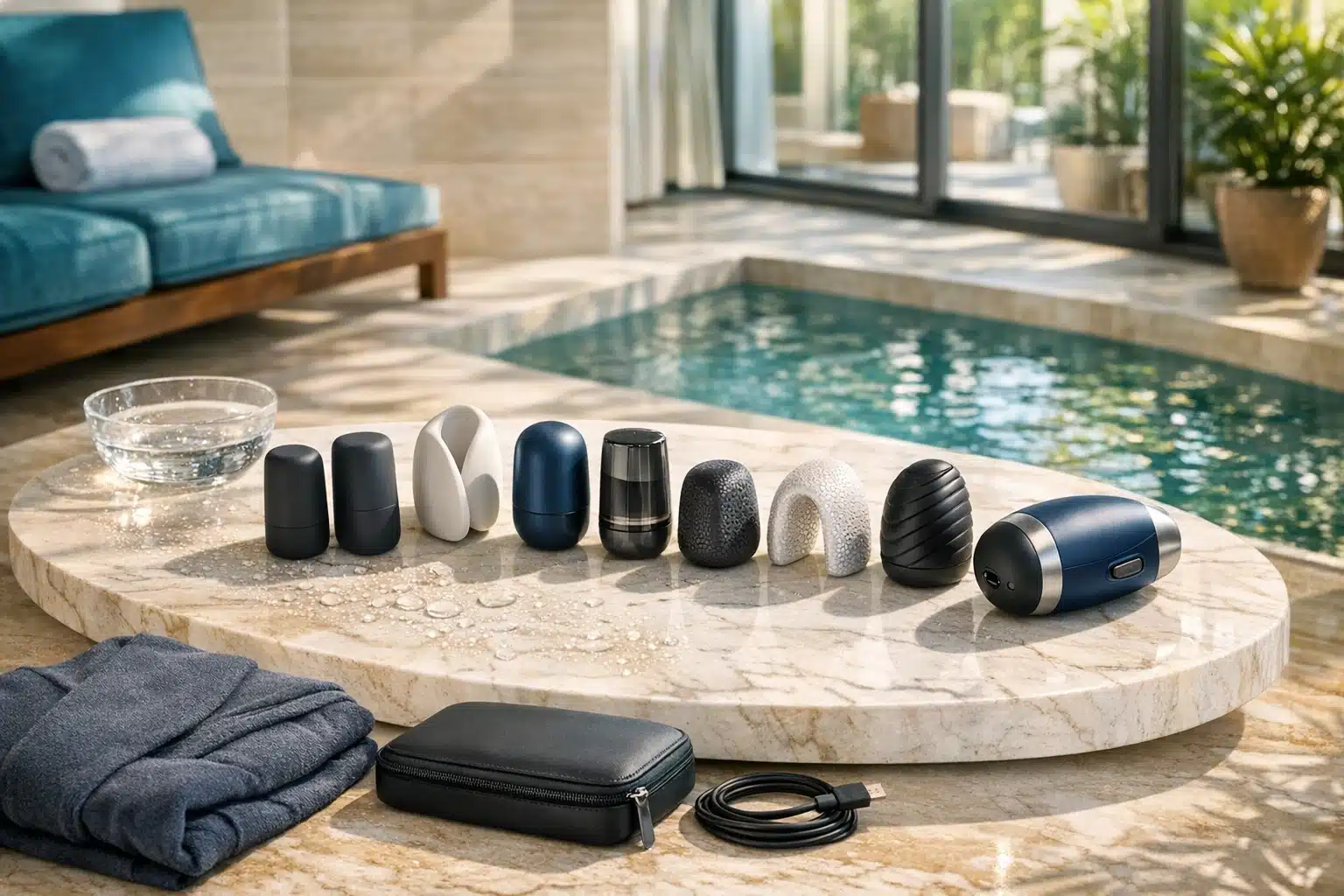
 Artificially generated image
 Top 10 Male Intimate Devices Compared: Features, Comfort, and Value
Buying a modern male intimate device is less about curiosity alone and more about choosing among materials, motion systems, sound levels, and maintenance demands. One model may feel gentle and travel-friendly, while another prioritizes stronger automation or deeper app control. Without a clear framework, the market can blur into glossy promises. A structured comparison makes the category easier to understand and the purchase easier to justify.
Outline:
- How comfort, fit, and safety shape the overall experience
- The main device categories and how ten common styles compare
- Which smart features improve convenience and which simply raise the price
- Why material quality, hygiene, and durability matter over time
- How to choose the strongest value based on budget, privacy, and everyday use
1. The Buying Framework: Comfort, Fit, Safety, and Everyday Ease
A useful comparison starts with the fundamentals, not the flashiest feature list. Compare top male intimate devices by comfort, safety, automation, and value to make a smarter, more confident purchase. That sentence works because it forces attention toward the things users actually notice after the box is opened: how the material feels, how easy the device is to hold, whether it stays discreetly quiet, and how simple it is to clean when the moment is over. In this category, good design is often subtle. A rounded opening, a flexible outer shell, and a stable grip can matter more than decorative styling or oversized packaging.
Comfort is closely tied to both shape and material. Softer liners tend to feel more forgiving, but softness alone does not guarantee a better fit. Some people prefer open-ended designs because they feel less restrictive and are easier to rinse and dry. Others like enclosed sleeves because they can offer a more immersive, snug sensation. A wider opening may be better for beginners, while a tighter chamber can feel more targeted but may also be less universally comfortable. This is why product descriptions that mention dimensions, internal texture, and entry design are more useful than vague promises about intensity.
Safety is equally practical. Body-safe materials are the first checkpoint, with silicone exteriors and clearly identified soft internal sleeves generally preferred over mystery plastics or poorly labeled blends. Shoppers should also pay attention to lubricant compatibility, because some materials perform best with water-based lubricants and may degrade if paired with incompatible formulas. Safety also includes electrical design. If a device is rechargeable, the charging port should be sealed well, and the brand should provide basic instructions on storage, cleaning, and run time.
When narrowing choices, it helps to judge four areas together:
- Comfort: entry shape, flexibility, internal texture, and hand feel
- Safety: body-safe materials, clear care instructions, and sound construction
- Ease of use: weight, button layout, charging method, and cleaning access
- Practical fit: size, noise level, and whether the device suits private or shared spaces
The best device on paper is not always the best device in life. A heavy premium model may look impressive but become inconvenient if storage space is limited. A compact manual sleeve may offer less automation but better value, easier cleanup, and fewer mechanical parts to worry about. In intimate wellness, the smartest purchase usually comes from honest self-assessment rather than chasing the most expensive option.
2. Top 10 Device Styles Compared: What the Market Actually Offers
Despite the crowded market, most products fall into a manageable set of styles. Thinking in categories can be more helpful than obsessing over a single model name, because it reveals what kind of ownership experience each device is likely to deliver. For a practical top-10 comparison, shoppers usually encounter ten common formats, each with different tradeoffs in comfort, automation, and price.
- Basic manual sleeve: low cost, simple upkeep, good for first-time buyers
- Open-ended sleeve: easier cleaning, adjustable pressure, often more breathable
- Closed-end sleeve: more contained feel, but slower drying and more upkeep
- Textured inner sleeve: stronger sensation variety, though comfort depends on preference
- Soft-shell grip device: easier to hold, often more comfortable during longer sessions
- Vibrating unit: adds pattern-based stimulation, usually at a modest price increase
- Warming device: aims for temperature realism, though heating performance varies
- Suction-adjustable device: offers more tuning, but usually requires more setup
- Automatic stroker: motorized movement reduces effort, often noisier and pricier
- App-connected premium device: broader controls, better presets, and higher cost
For beginners, the manual and open-ended categories often make the most sense. They are typically lighter, less intimidating, and easier to wash thoroughly. They also let users learn what fit and texture they prefer before spending more. Midrange buyers often move toward vibrating, warming, or suction-adjustable options. These add variety without requiring the commitment of a large automatic unit. The premium end of the market is where automation, app control, and modular parts appear more often, but these features bring more variables: battery care, firmware quirks, and higher replacement costs.
Comfort tends to be strongest in devices that balance softness with structure. Very rigid shells can feel secure in the hand but may reduce adaptability. Extremely soft products may feel pleasant initially yet lack support. Safety usually tracks with build transparency. Devices sold with clear material details, maintenance instructions, and replaceable internal sleeves are generally easier to evaluate than products that focus only on bold marketing language.
Value does not always rise with complexity. A $40 to $60 manual unit may outperform a $150 automated option for someone who wants low noise, easy storage, and minimal cleanup. On the other hand, users who prioritize hands-free convenience or programmable routines may find that a higher-end device delivers better long-term satisfaction. The comparison becomes much easier once buyers stop asking, “Which one is the fanciest?” and start asking, “Which style best fits my habits, privacy needs, and tolerance for maintenance?”
3. Smart Features Worth Paying For and the Ones to Question
Smart features have pushed this category far beyond simple novelty, but not every upgrade is equally useful. Some functions genuinely improve convenience, while others mostly inflate the price tag. The key is to understand what a feature changes in daily use. A good example is app control. For some buyers, app connectivity is a real advantage because it allows custom patterns, easier speed adjustments, and saved presets. For others, it introduces extra steps, possible connection issues, and privacy questions that are not worth the tradeoff.
Automation is the headline feature most shoppers notice first. Motorized movement can reduce manual effort and provide consistent rhythm, which appeals to users looking for convenience. Still, automated devices are often heavier, louder, and more expensive than manual or vibration-based options. Sound matters more than many first-time buyers expect. In shared living situations, even a well-made device may produce noticeable motor noise. Product pages do not always describe this honestly, so shoppers benefit from looking for reviews that mention real-life volume rather than vague words like “discreet.”
Several features tend to offer practical value when executed well:
- USB-C charging for simpler cable management
- Travel lock to prevent accidental activation in luggage or storage
- Memory settings that return to a preferred intensity or pattern
- Water-resistant construction for easier cleanup
- Replaceable sleeves or modular inserts for longer device lifespan
Other smart features deserve a more skeptical eye. Heating systems can sound compelling, but some units warm slowly or only slightly. Sensor-based automation may be interesting, yet it is sometimes less predictable than a straightforward manual control scheme. Companion apps may offer statistics or customization screens, but if the interface is clumsy, the novelty fades quickly. It is wise to ask a plain question: will this feature improve comfort, save time, or increase control often enough to justify the added cost?
Battery performance is another area where the details matter. Rechargeable devices often promise convenience, but actual run times commonly vary based on intensity level and whether heat or wireless features are active. A general market pattern is that lighter vibration-focused units may run longer than heavier automated systems, especially when multiple motors are involved. Strong products usually include clear indicators for battery level, safe charging practices, and auto shutoff. Those small operational details can make a device feel thoughtfully engineered rather than merely marketable.
The smartest buyer treats features like tools, not trophies. If app control, adjustable patterns, or automation fit a real routine, they can be excellent. If not, simpler devices often deliver a calmer and more reliable ownership experience.
4. Materials, Cleaning, and Durability: The Side of Ownership That Matters Later
Many buying guides spend too much time on features and too little on maintenance, even though hygiene and durability often determine whether a purchase feels worthwhile after the first few weeks. In intimate wellness, long-term satisfaction depends heavily on how easy a device is to clean, dry, store, and maintain. A beautifully marketed product can quickly become frustrating if the liner is hard to remove, the seams trap moisture, or the charging port feels vulnerable after repeated use.
The first material distinction buyers usually encounter is between silicone and softer elastomer-style liners such as TPE or related blends. Silicone is widely appreciated for exteriors because it is durable, non-porous, and easy to wipe clean. Soft internal sleeves may offer a gentler feel, but quality varies a great deal. The practical question is not whether a material sounds luxurious, but whether the manufacturer clearly explains what it is, how to clean it, and which lubricants are compatible with it. Transparent care instructions are often a quiet sign of a better product.
Good hygiene routines are simple but important:
- Wash removable parts with warm water and a suitable toy-safe cleanser
- Dry thoroughly before storage to reduce odor and material breakdown
- Store in a clean pouch or dust-free container
- Avoid harsh household chemicals that can damage softer materials
- Check seals, ports, and sleeves regularly for wear
Water resistance also deserves close attention. A splash-resistant device may tolerate light rinsing but should not be submerged. A higher water-resistance rating can make cleaning easier, especially for products with electronic components. Still, even with a strong rating, buyers should follow the manual rather than assume full waterproofing. Drying time matters too. Closed designs may take longer to air out, which can be inconvenient for frequent use or limited storage space.
Durability is not just about whether a motor keeps running. It includes the strength of buttons, the fit of the sleeve inside the shell, the reliability of charging contacts, and the availability of replacement parts. Premium devices can justify their price if they offer modular sleeves or sturdy construction that extends useful life. Budget devices may still be excellent, but they are often better when the design is simple and the expectations are realistic. Fewer moving parts usually mean fewer failure points.
A practical buyer should think in terms of ownership, not only first impressions. If a device is easy to clean, straightforward to dry, and built from clearly identified materials, it is more likely to remain part of a routine instead of becoming an awkward object in a drawer.
5. Final Thoughts for Buyers: Matching Value to Budget, Privacy, and Experience Level
The best value in this category depends less on prestige and more on personal fit. A first-time buyer usually benefits from simplicity: manageable price, soft but not overly complicated construction, and easy cleaning. In real market terms, entry options often sit around the lower double-digit range, midrange devices commonly move upward as vibration or warming features appear, and premium automated units can exceed that by a wide margin once app control and modular systems are added. Price alone does not define quality, but it does shape expectations around engineering, quiet operation, and component lifespan.
For beginners, a smart route is often a comfortable manual or lightly enhanced device with clear care instructions and no confusing setup process. That allows the buyer to answer a few useful questions before upgrading. Do they prefer softer or firmer feel? Is easy cleanup more important than enclosed design? Does noise matter because of roommates, travel, or thin apartment walls? These details reveal more than any glossy promotional phrase. A simple device that gets used comfortably and maintained properly is a better buy than a premium model that feels cumbersome.
For experienced users, the value equation becomes broader. Automation may be worth the extra spend if consistency and reduced manual effort are top priorities. App control can be worthwhile for users who enjoy customization and do not mind charging, syncing, and occasional software friction. Buyers who place a premium on privacy may prefer devices with onboard controls, travel locks, and minimal dependence on external apps. There is no universal winner, only better alignment between features and real life.
A practical shortlist might look like this:
- Best for first-time buyers: open, easy-to-clean manual or light vibration models
- Best for convenience seekers: automated units with simple controls and solid battery life
- Best for smaller spaces: compact, quieter devices with modest power demands
- Best for long-term value: products with replaceable sleeves and clearly labeled materials
- Best for feature lovers: app-enabled devices with useful presets, not bloated menus
For the target reader, the goal is not to chase the most advanced device in the room. It is to choose one that feels safe, comfortable, maintainable, and fairly priced for the experience it delivers. That mindset turns the category from a confusing mix of marketing claims into a straightforward shopping decision. When comfort, smart features, and upkeep are weighed together, buyers are far more likely to land on a product they will actually appreciate over time.