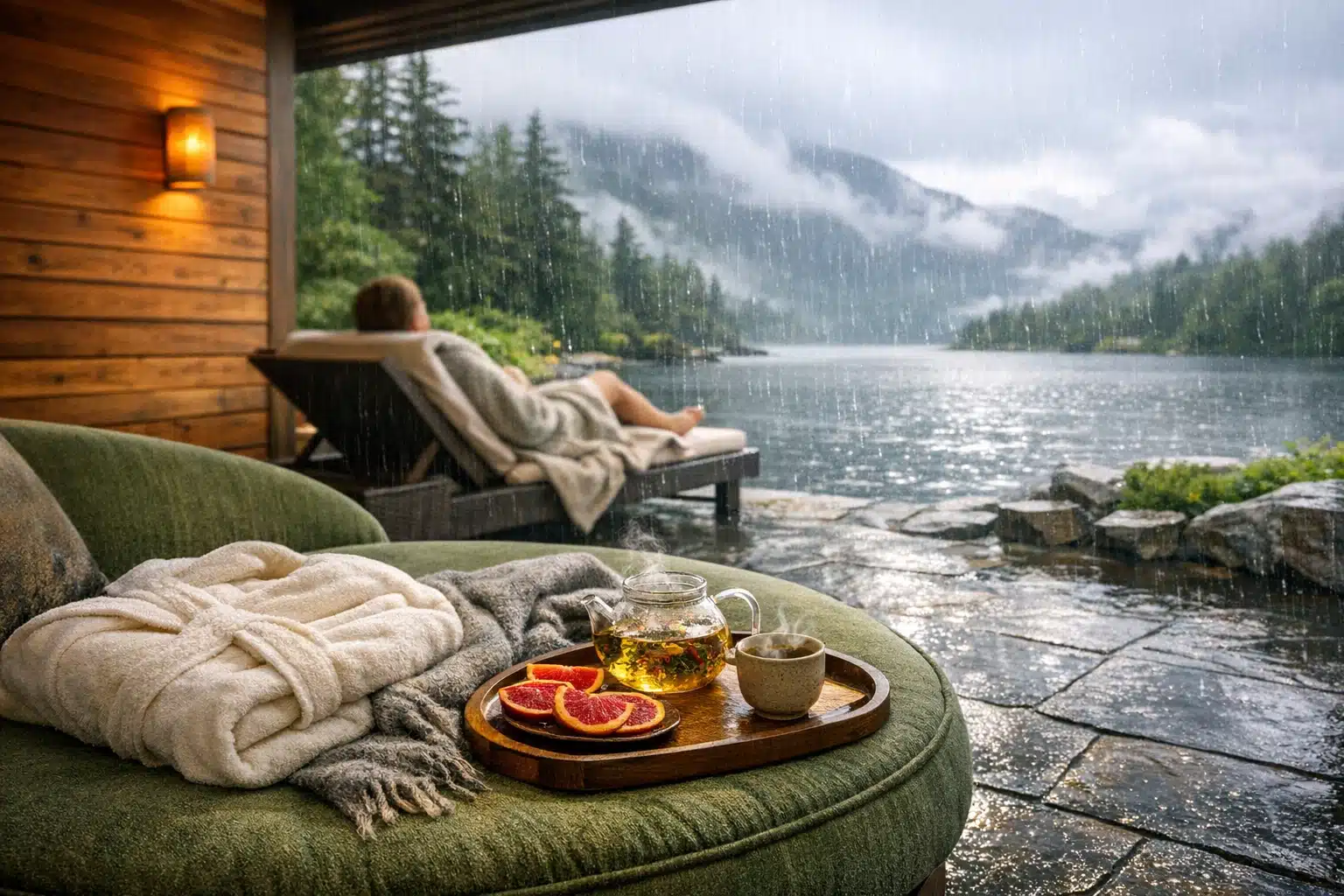
 Artificially generated image
 2-Night All-Inclusive Lake District Spa Retreat: What to Expect
Introduction and Article Outline: Why a Lake Spa Break Still Matters
A two-night spa retreat by the water can do something a longer holiday sometimes cannot: it creates a clear pause without demanding a week of planning, annual leave, or complicated travel. In the Lake District, that pause is sharpened by still water, cooler air, and the quiet rhythm of mornings that begin with mist and end with warm pools. For busy couples, solo travellers, and friends, this mix of comfort and scenery turns a short break into a practical form of restoration.
The popularity of wellness travel has grown because many people are not necessarily looking for luxury in the flashy sense; they are looking for relief from noise, screens, deadlines, and fragmented routines. A spa hotel beside a lake offers a specific kind of contrast. Instead of filling every hour with attractions, it invites slower choices: a walk before breakfast, an afternoon treatment, time in a thermal suite, or a dinner that does not have to be arranged at the last minute. That is what makes the format relevant. It meets modern pressure with simplicity.
A two-night stay also occupies a useful middle ground between a day spa and a longer resort holiday. One night can feel rushed, especially if check-in is late and spa access is limited. Three or four nights can be wonderful, but they ask more of your calendar and budget. Two nights usually allow for an arrival evening, one full day of facilities and treatments, and a final morning that does not feel abrupt. In travel planning terms, it is one of the most workable short breaks available.
This article is organised as a practical outline first, then expanded in detail through the sections that follow.
- What the Lake District setting adds beyond a standard hotel spa
- How arrival, rooms, and package structures shape the first impression
- What treatments, thermal areas, and included dining usually involve
- Which planning choices affect value, timing, and comfort
- Who this type of retreat suits best, and how to decide if it matches your travel style
Think of the guide as a calm conversation before booking rather than a sales pitch. The goal is not to oversell the retreat format, but to explain why it appeals, where it differs from urban wellness breaks, and what details deserve a closer look before you commit.
The Setting, Arrival Experience, and the Difference a Lake Retreat Makes
A lakeside retreat begins working on the mind long before the first robe appears. The route into the Lake District often narrows from ordinary roads into landscapes shaped by stone walls, fells, woodland, and water. That change in scenery matters because the travel experience itself starts to slow your pace. A city spa can be excellent, especially for convenience, but it rarely gives you that transition from everyday movement into something quieter. The lake setting adds atmosphere, yes, but it also creates a more complete sense of removal.
On arrival, most well-run spa hotels structure the first few hours carefully. Check-in may include a schedule for treatments, dining times, use of the spa, and practical guidance on changing areas or adult-only access periods. This is where package language becomes important. “All-inclusive” in a short UK retreat does not always mean unlimited food and drink in the resort-style sense that some travellers expect abroad. More often, it means a bundled rate that covers accommodation, breakfast, dinner, and a defined level of spa access, sometimes with one treatment per guest. Understanding that distinction prevents disappointment and helps you compare offers fairly.
The room itself shapes the tone of the stay. A classic inland-facing room may be perfectly comfortable, while a lake-view room often changes the emotional quality of the trip. Waking up to water, weather, and shifting light is not a trivial extra; it can become the most memorable part of the break. That said, it is only worth paying more for the view if you know you will spend time in the room or value quiet observation over constant activity.
Compared with a countryside hotel that has a small spa attached, a true lake retreat usually offers stronger integration between outdoors and indoors. You might find:
- lounges or terraces oriented toward the water rather than the car park
- walking routes beginning directly from the property
- large windows in relaxation areas to keep the landscape present even in poor weather
- menus that favour a slower evening meal over quick turnover dining
The weather in the Lake District is part of the experience rather than a flaw in it. Rain can flatten a sightseeing trip, but it often enhances a spa stay. There is something quietly cinematic about moving from cool, damp air into warmth, steam, and stillness. When a retreat is planned well, the landscape is not just a backdrop. It becomes the emotional architecture of the whole break.
Spa Treatments, Thermal Facilities, and Included Dining: The Heart of the Stay
For most guests, the core value of a wellness break lies in three elements working together: treatment time, access to thermal or water-based facilities, and meals that remove the need for planning. When any one of these pieces is weak, the retreat can feel uneven. A beautiful setting cannot fully compensate for a rushed schedule, and a good massage loses impact if the rest of the day is spent worrying about reservations or timing.
Relax with spa treatments, scenic lake views, and included dining on a refreshing two-night wellness escape.
That promise is appealing because it describes a balanced retreat rather than a single indulgent moment. In practical terms, treatments usually come in standard durations such as 25, 50, or 80 minutes. A shorter session may suit guests who mainly want access to pools, saunas, and relaxation rooms. A longer treatment can be a better choice for people arriving tense from work or travel, as it gives enough time for consultation, treatment, and a gentler return to normal pace. Common options include full-body massage, facials, body scrubs, scalp rituals, and combined treatments focused on stress relief rather than medical outcomes.
Thermal facilities vary considerably, and this is where hotel websites can be vague. A spa with a hydrotherapy pool, sauna, steam room, experience shower, outdoor hot tub, and dedicated relaxation lounge offers a very different experience from a property with only a modest pool and treatment rooms. If your goal is extended downtime, the thermal journey matters just as much as the treatment itself. Many guests spend more total time in those shared spaces than on the massage table.
Dining is another important part of the package, especially on a two-night stay. Included dinner can remove decision fatigue, but quality and structure matter. Some hotels provide an allowance toward the menu, while others include a set number of courses. Breakfast ranges from buffet-style practicality to slower restaurant service with local produce. The best versions of included dining do not feel like a compromise. They feel like part of the rhythm of the retreat: nourishing, unhurried, and easy to access without leaving the property.
When comparing packages, ask what is truly included:
- one treatment or a treatment allowance
- full spa access on both days or only on the middle day
- dinner every night or dinner on one evening only
- robes, slippers, and late checkout
- access to outdoor spaces, lakeside seating, or guided wellness activities
These details determine whether the retreat feels cohesive or fragmented. In the strongest packages, nothing dramatic happens, and that is the point. The break works because everything flows.
How to Plan Well: Budget, Timing, and Booking Choices That Affect Value
A spa retreat can feel effortless once you arrive, but value is decided earlier, during the booking stage. The first question is not simply price. It is what kind of value you want. Some travellers prioritise the highest-quality spa facilities, others want the best room category, and some care most about dining or a peaceful location. If you do not define your priority first, packages can look similar on paper while delivering very different experiences.
Weekday stays often provide better value than weekends. This is not just because rates may be lower, but because the spa itself can feel calmer. Treatment availability is usually wider, shared spaces may be less crowded, and service tends to feel less compressed. If your main goal is deep rest rather than a celebratory atmosphere, a Sunday-to-Tuesday or Monday-to-Wednesday stay often suits the format beautifully.
Season also changes the character of the retreat. Autumn and winter tend to emphasise cocooning comfort: warm interiors, early darkness, and dramatic lake weather. Spring and early summer add longer evenings and more opportunity for outdoor walking between spa sessions. There is no universally best season. The better question is whether you want mood and stillness, or more daylight and movement.
Transport planning deserves more attention than many people give it. A remote hotel may look idyllic online, but if arrival involves multiple connections, heavy bags, and a late check-in, the first evening can feel thinner than expected. For a two-night break, ease of access is part of the product. Losing half a day to stressful travel reduces the restorative return on the trip.
Before confirming a booking, it helps to run through a short checklist:
- What exactly does all-inclusive cover, and are drinks excluded?
- How long is spa access available on arrival and departure days?
- Are treatment times assigned automatically or chosen in advance?
- Is there an extra charge for lake-view rooms or late checkout?
- Are there adult-only hours, quiet zones, or peak-time restrictions?
Finally, be realistic about itinerary pressure. A common mistake is trying to combine the retreat with too much sightseeing. On a two-night stay, the smartest approach is selective planning: one gentle walk, perhaps a nearby village visit, and then back to the hotel before the schedule begins to feel like work. Good wellness travel is not about doing more. It is about editing well.
Conclusion: Who This Retreat Suits Best and What a Successful Stay Really Feels Like
A two-night Lake District spa retreat suits people who want recovery with structure. It works well for couples who need time together without the pressure of building a full itinerary, for friends who enjoy good food and shared downtime, and for solo travellers who want comfort without social demand. It is also a strong option for busy professionals who cannot take a full week away but still need a meaningful pause. The format is short, yet it can feel complete when the setting, schedule, and package are aligned.
The most satisfying version of the stay usually follows a simple arc. On day one, you arrive, settle in, learn the layout, and let the place start doing its work. Day two becomes the centrepiece: breakfast without hurry, a treatment at the right hour, time in thermal areas, perhaps a short lakeside walk, then dinner without logistics. On the final morning, there is still enough space for one more swim, sauna session, or quiet coffee before departure. That sequence matters because it creates momentum without strain.
For the target audience, the key lesson is this: do not book the flashiest package by default. Book the one that matches how you actually rest. If you love scenery, a lake-view room may be worth more than an added beauty extra. If food is central to your enjoyment, check the dinner format carefully. If your body responds best to heat, hydrotherapy, and stillness, prioritise the spa facilities over decorative luxury. Matching the package to your habits is what turns a pleasant hotel stay into a genuinely restorative retreat.
In summary, a wellness break by the lake is less about escaping life dramatically and more about resetting it intelligently. The best properties offer calm design, competent treatments, reliable dining, and a landscape that does half the work in silence. If that sounds like what you need, a two-night stay can be enough to leave you lighter, clearer, and more willing to protect small pockets of rest once you get home.